“`html
Thank you for your submission
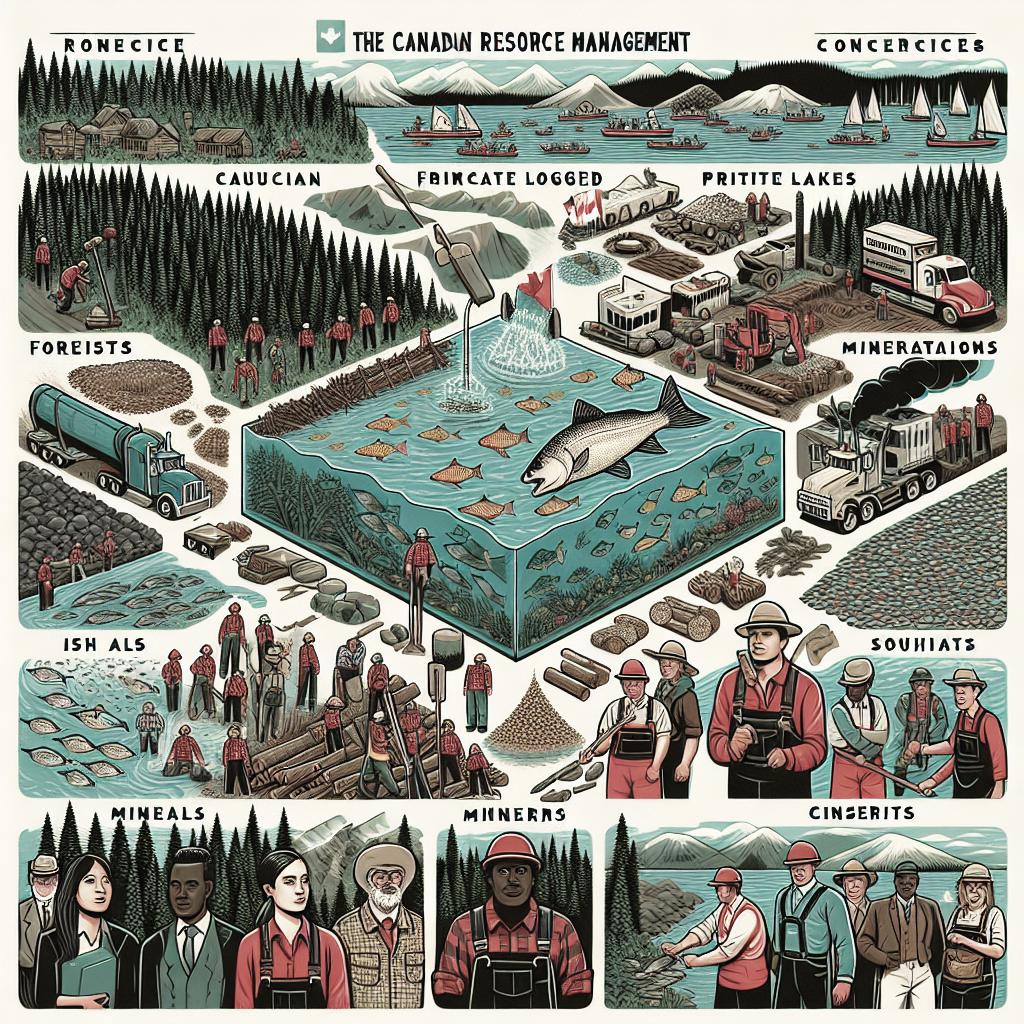
Canada’s resource management is a complex and far-reaching domain, influencing both environmental conditions and economic realities. By examining various natural resource types, understanding the intricate human relationship to these assets, and assessing Canada’s management strategies—including the pivotal role of Indigenous practices—we gain insight into the nation’s ecological and social landscape. This blog post dissects the renewable and non-renewable sectors, highlights regional differences, and explores the inherent and consumptive uses of these resources. Additionally, it delves into specific challenges and the importance of adhering to standards like Free, Prior and Informed Consent (FPIC) and recognizing Indigenous title. The rich tapestry of Canada’s natural resources is portrayed, alongside key terminologies and discussions surrounding ecosystem services, all contributing to a comprehensive understanding of the impacts of Canadian resource management.
Types of Natural Resources
Canada is rich in a diverse array of natural resources, both renewable and non-renewable. Renewable resources consist of assets like forestry, fisheries, and hydropower, which can be replenished naturally over time. The careful management of these resources ensures that they remain available for future generations, emphasizing sustainability and ecological balance.
Conversely, non-renewable resources—including minerals, oil, and natural gas—are finite and necessitate judicious extraction and utilization strategies to prevent depletion and environmental degradation. The reliance on these resources forms a cornerstone of the Canadian economy, necessitating sophisticated management techniques to balance economic gains with ecological preservation.
Human Relationship to Natural Resources
The human relationship to natural resources is characterized by a continuous interplay of dependency, stewardship, and exploitation. Canadians depend heavily on natural resources for economic prosperity, employment, and overall social welfare. This dependency has driven advancements in technology and resource extraction methodologies, fostering economic growth.
However, this dependency also necessitates stewardship, prompting initiatives aimed at conservation and sustainable management. The balance of these conflicting elements highlights the dual role individuals and communities play, both as consumers and protectors of natural resources, ensuring that ecological impacts are minimized while maximizing economic benefits.
Management of Renewable Resources
The management of renewable resources in Canada involves a multifaceted approach that incorporates conservation, sustainable harvesting, and technological innovation. Effective policies and frameworks are crucial in maintaining the health of ecosystems while satisfying human needs.
For instance, regulated fishing quotas, forest management plans, and investment in renewable energy technologies showcase Canada’s commitment to sustainability. Such practices aim to maintain resource availability over the long term, reduce environmental footprint, and ensure economic viability for communities reliant on these resources.
Resource Management Practices in Canada
Canada employs a variety of resource management practices that integrate economic, environmental, and social considerations. Federal and provincial governments collaborate with industries and communities to establish policies that promote efficient resource use. Regulatory frameworks often include monitoring, enforcement of environmental standards, and requirements for environmental impact assessments.
Innovative practices, such as adaptive management and integrated resource management, work towards balancing the diverse needs and pressures on natural resources. By using these comprehensive approaches, Canada attempts to harmonize resource development with ecological protection and economic advancement.
Indigenous Resource Management Practices
Indigenous resource management practices are deeply rooted in a holistic understanding of ecosystems and cultural traditions. Indigenous communities play a critical role in stewarding Canada’s natural resources, employing sophisticated traditional knowledge and practices passed down through generations.
These practices include the sustainable harvesting of resources and the guardianship of ecosystems, emphasizing values of interconnectedness, respect, and sustainability. Collaborative efforts between Indigenous and non-Indigenous entities have increasingly recognized the importance of Indigenous wisdom in resource management and policy development.
Challenges
The challenges confronting Canadian resource management are multifaceted and arise from environmental pressures, climate change, and socio-economic demands. Balancing economic growth with ecological sustainability poses a significant challenge, often requiring difficult trade-offs and comprehensive policy adjustments.
Furthermore, conflicts over land use, water rights, and resource extraction often involve complex negotiations between various stakeholders, including government agencies, industries, and Indigenous communities. Addressing these challenges necessitates collaborative frameworks that go beyond conventional approaches, incorporating innovative solutions and reconciliation efforts.
Natural Resources by Province or Region
The distribution and type of natural resources vary significantly across Canada, contributing to a diverse regional economic landscape. In Western Canada, provinces like Alberta and British Columbia are known for their vast oil sands, natural gas reserves, and forestry sectors.
Meanwhile, Eastern Canada, including Newfoundland and Labrador, focus more on offshore oil extraction and fisheries. Central Canada benefits from abundant mineral deposits and hydroelectric power, illustrating a mosaic of resource wealth that necessitates tailored management strategies for each region.
Key Terms: Natural Resources
Understanding key terms is essential when discussing natural resources. “Renewable resources” refer to those that can be replenished naturally, whereas “non-renewable resources” are finite and exhaustible. “Resource management” encompasses the practices and policies aimed at maintaining natural resources sustainably.
Other vital terms include “biodiversity,” which highlights the variety of life forms within ecosystems, and “carrying capacity,” representing the maximum population size that an environment can sustain. These concepts are pivotal in understanding the ecological and socio-economic dimensions of resource management.
Aesthetic and inherent qualities
The aesthetic and inherent qualities of natural resources often play an undervalued role in their management and preservation. Beyond economic value, resources like forests, rivers, and landscapes contribute to cultural identity, spiritual well-being, and recreational enjoyment.
Acknowledging these non-economic values is crucial, as they influence public attitudes, conservation efforts, and policy decisions. The aesthetic appreciation of natural landscapes fosters a deeper connection between individuals and the environment, promoting an ethic of care and responsibility.
Consumptive use
Consumptive use of natural resources involves the direct extraction and consumption of resources, such as logging, mining, and fishing. These activities are vital for economic development but pose significant challenges in terms of sustainability and environmental impact.
Effective management requires balancing consumptive use with conservation efforts, ensuring that resource extraction does not exceed replenishment rates or degrade ecosystems. Regulations, technological innovations, and market-based approaches can aid in mitigating the negative effects of consumptive practices.
Ecosystem services
Ecosystem services represent the myriad benefits that humans derive from natural ecosystems, including provisioning, regulating, cultural, and supporting services. They encompass tangible outputs like food and water, as well as intangible benefits such as climate regulation and pollination.
The recognition of ecosystem services underscores the importance of preserving environmental integrity and promoting sustainable management practices. Quantifying and valuing these services can inform policy-making and guide resource management decisions to align with ecological and socio-economic priorities.
Free, prior and informed consent (FPIC)
Free, prior and informed consent (FPIC) is a critical principle enshrined in international human rights law, requiring that Indigenous peoples be adequately informed about and consent to activities affecting their lands and resources. FPIC empowers Indigenous communities to assert control over their territories and maintain their cultural heritage.
The implementation of FPIC in Canadian resource management reflects the country’s commitment to Indigenous rights, fostering partnerships that respect cultural practices and promote equitable resource governance. Ensuring FPIC upholds Indigenous sovereignty and facilitates reconciliation between Indigenous and non-Indigenous Canadians.
Indigenous (or Aboriginal) title
Indigenous, or Aboriginal, title refers to the legal recognition that Indigenous peoples have rights to their ancestral lands, where they can exercise their traditional practices and manage resources. This recognition is crucial for upholding their economic, cultural, and spiritual rights.
Acknowledging Indigenous title within Canadian resource management frameworks involves legal procedures and negotiations to ensure mutual respect and benefit. It addresses historical injustices and provides a basis for sustainable and inclusive management of natural resources, reflecting a commitment to Indigenous sovereignty.
Final thoughts
| Topic | Summary |
|---|---|
| Types of Natural Resources | Explores Canada’s renewable and non-renewable resources and their economic significance. |
| Human Relationship to Natural Resources | Discusses dependency, stewardship, and exploitation in human-resource interactions. |
| Management of Renewable Resources | Focuses on the use of sustainable practices and policies in managing renewable resources. |
| Resource Management Practices in Canada | Highlights collaborative and innovative approaches to resource management. |
| Indigenous Resource Management Practices | Emphasizes the role of Indigenous knowledge and practices in resource stewardship. |
| Challenges | Addresses the environmental and socio-economic challenges in resource management. |
| Natural Resources by Province or Region | Describes the diverse resource landscapes across Canadian provinces and regions. |
| Key Terms: Natural Resources | Defines critical concepts and terms related to resource management. |
| Aesthetic and inherent qualities | Explores the non-economic values of natural resources. |
| Consumptive use | Examines the impacts and management of consumptive resource use. |
| Ecosystem services | Discusses the benefits of ecosystems to human well-being and policy decisions. |
| Free, prior and informed consent (FPIC) | Details the importance of FPIC in Indigenous resource rights and governance. |
| Indigenous (or Aboriginal) title | Explores legal recognition and its impact on resource management and Indigenous rights. |
“`